

Chr Hansen

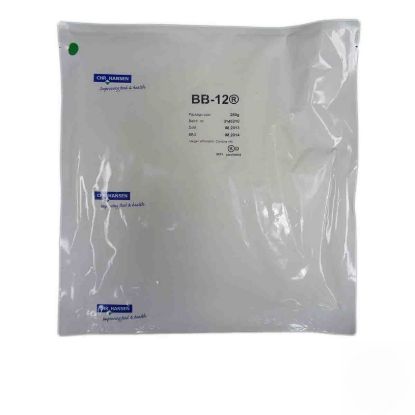
BB-12 Frozen 250 g (Probiotic)
Thermophilic lactic acid culture.
The culture is a defined single strain with a long history of safe use.
Substantial clinical documentation on possible health benefits are avaliable upon request and likewise are certificates of identification and certificates of safety and origin.
BB-12 is a registred trademark of Chr.Hansen.
$107.20
| Quantity x 16 | Price per 16 |
|---|---|
| 1 + | $120.06 |
| 16 + | $107.20 |
Vega Nu-trish BB-12 (DA) Frozen 500 g (Box of 10 pouches)
Thermophilic lactic acid culture.
The culture is a defined single strain with a long history of safe use.
Substantial clinical documentation on possible health benefits are avaliable upon request and likewise are certificates of identification and certificates of safety and origin.
BB-12 is a registred trademark of Chr.Hansen.
This culture has been produced without the use of dairy derived ingredients in any part of the production steps.
The culture is manufactured in an environment where dairy ingredients are handled.
However, the process equipment is cleaned according to our GMP standard before production of this culture.
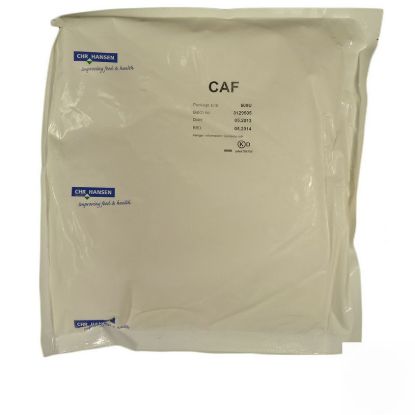
CAF Frozen 500 u
Mesophilic aromatic culture, type L.
The culture produces flavor and CO2.
CAF is designed to be used as a flavor adjunct culture with Chr.Hansen s cultures to produce a highly flavored end product.
| Quantity | Price |
|---|---|
| 1 + | $71.01 |
| 10 + | $63.40 |
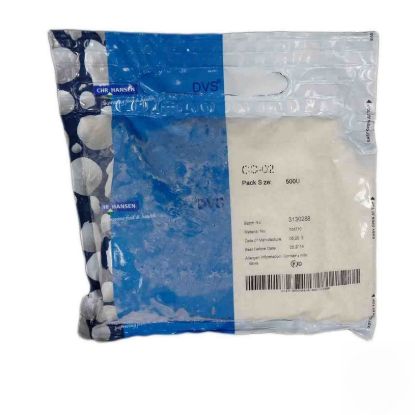
CC-02 Frozen 500 u
Mesophilic homofermentative culture, type O.
This culture contains specially selected strains chosen for their phage resistance and ability to produce lactic acid quickly.
This culture does not produce CO2.
| Quantity | Price |
|---|---|
| 1 + | $43.12 |
| 10 + | $38.50 |
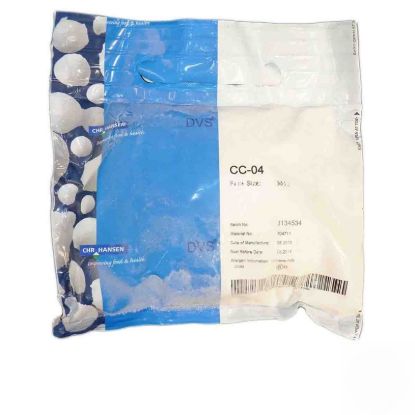
CC-04 Frozen 500 u
Mesophilic homofermentative culture, type O.
This culture contains specially selected strains chosen for their phage resistance and ability to produce lactic acid quickly.
This culture does not produce CO2.
| Quantity | Price |
|---|---|
| 1 + | $43.12 |
| 10 + | $38.50 |
CC-06 Frozen 500 u
Mesophilic homofermentative culture, type O.
This culture contains specially selected strains chosen for their phage resistance and ability to produce lactic acid quickly.
This culture does not produce CO2.
| Quantity | Price |
|---|---|
| 1 + | $43.12 |
| 10 + | $38.50 |
CC-08 Frozen 500 u
Mesophilic homofermentative culture, type O.
This culture contains specially selected strains chosen for their phage resistance and ability to produce lactic acid quickly.
This culture does not produce CO2.
$38.50
| Quantity x 10 | Price per 10 |
|---|---|
| 1 + | $43.12 |
| 10 + | $38.50 |
CHD-2 Frozen 500 u
Multiple mixed strain Mesophilic Aromatic Culture, type D.
The culture produces aroma and CO2.
The culture contains a very low concentration of Leuconostocs.
The culture is primarily applied in the production of soft cheeses (stabilized soft cheeses, specialties) and fermented milk.
The culture can be used alone or more frequently in combination with mesophilic or SSC cultures to enhance the milky and fresh taste.
$76.70
| Quantity x 10 | Price per 10 |
|---|---|
| 1 + | $85.90 |
| 10 + | $76.70 |
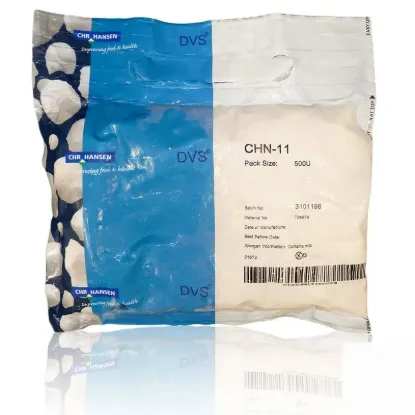
CHN-11 Frozen 500 u
Mesophilic aromatic culture, type LD.
The culture produces flavor and CO2.
This range provides cultures with fast acidification properties at a low inoculation rate.
The culture is primarily used in the manufacturing of Continental semi-hard cheese varieties with eyes, e.g. Gouda, Edam, Leerdam and Havarti.
| Quantity | Price |
|---|---|
| 1 + | $75.25 |
| 10 + | $67.19 |
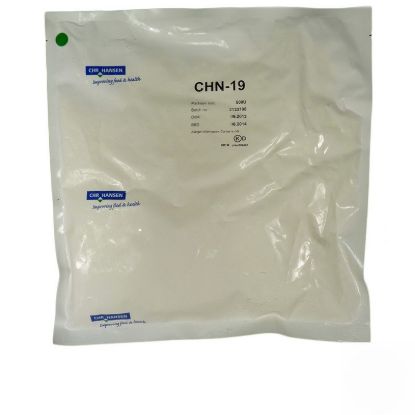
CHN-19 Frozen 500 u
Mesophilic aromatic culture, type LD.
The culture produces flavor and CO2.
This range provides cultures with fast acidification properties at a low inoculation rate.
The culture is primarily used in the manufacturing of Continental semi-hard cheese varieties with eyes, e.g. Gouda, Edam, Leerdam and Havarti.
$67.19
| Quantity x 10 | Price per 10 |
|---|---|
| 1 + | $75.25 |
| 10 + | $67.19 |
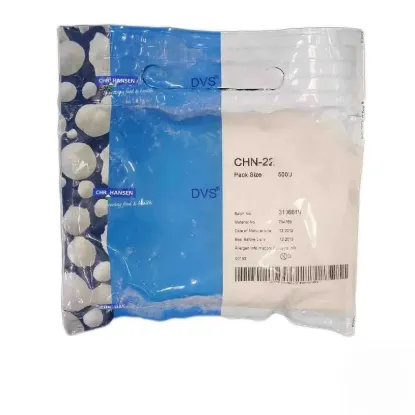
CHN-22 Frozen 500 u
Mesophilic aromatic culture, type LD.
The culture produces flavor and CO2.
The culture can be used in the manufacture of the following products
- soft cheese with slow acidification (Lactic cheese, Camenbert, Blue Cheese)
- cheese varieties with eyes (Gouda, Edam)
- fermented milk products manufactured by separation method (Sour Cream, Fromage Frais)
- lactic butter.
$67.19
| Quantity x 10 | Price per 10 |
|---|---|
| 1 + | $75.25 |
| 10 + | $67.19 |
CR-SAVORY 01 Frozen 500 u
A defined adjunct culture blend which enhances the overall flavor intensity of the cheese by accentuating important flavor notes.
It enhances the balanced, mellow, rounded and clean flavors and suppresses unwanted flavors like sour, bitter and flat.
The culture contains a nisin producing strain for promotion of bacteria lysis.
| Quantity | Price |
|---|---|
| 1 + | $71.45 |
| 10 + | $63.79 |
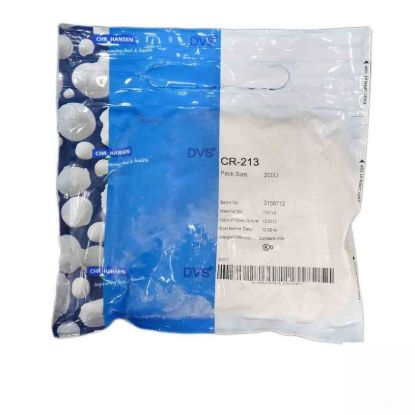
CR-213 Frozen 200 u
A defined blend of mesophilic homofermentative adjunct culture.
The selection of the culture is based on a unique balanced aminopeptidase composition.
The strains are all isolated from traditionally well known cheese cultures on the criteria that they have no or reduced capability to ferment lactose.
The culture is primarily applied in the production of cheeses where normally mesophilic lactic acid bacteria are used.
This culture is particularly used in Cheddar, Continental cheeses (rindless cheese), low-fat cheese and cheese containing vegetable fat.
The culture enhances the overall flavor intensity of cheese by accentuating all important flavor notes.
It enhances balanced, mellow, rounded and clean flavors and suppresses unwanted flavors such as sour, bitter and flat.
$54.35
| Quantity x 10 | Price per 10 |
|---|---|
| 1 + | $60.87 |
| 10 + | $54.35 |
CR-716 Frozen 475 u
$54.35
| Quantity x 15 | Price per 15 |
|---|---|
| 1 + | $60.87 |
| 15 + | $54.35 |
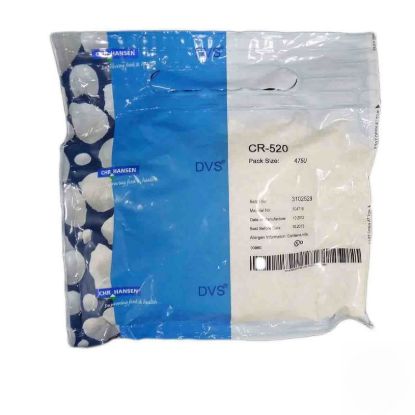
CR-520 Frozen 475 u
A defined adjunct culture blend which enhances the overall flavor intensity of the cheese by accentuating important flavor notes.
It enhances the balanced, mellow, rounded and clean flavors and suppresses unwanted flavors like sour, bitter and flat.
The culture is primarily applied in the production of cheeses where normally mesophilic lactic acid bacteria are used.
This culture is particularly used in Cheddar, Continental cheeses (rindless cheese), low-fat cheese and cheese containing vegetable fat.
$65.29
| Quantity x 10 | Price per 10 |
|---|---|
| 1 + | $73.12 |
| 10 + | $65.29 |
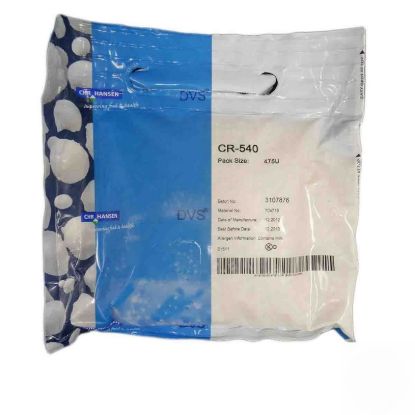
CR-540 Frozen 475 u
A defined adjunct culture blend which enhances the overall flavor intensity of the cheese by accentuating important flavor notes.
It enhances the balanced, mellow, rounded and clean flavors and suppresses unwanted flavors like sour, bitter and flat.
The culture is primarily applied in the production of cheeses where normally mesophilic lactic acid bacteria are used.
This culture is particularly used in Cheddar, Continental cheeses (rindless cheese), low-fat cheese and cheese containing vegetable fat.
$65.29
| Quantity x 10 | Price per 10 |
|---|---|
| 1 + | $73.12 |
| 10 + | $65.29 |
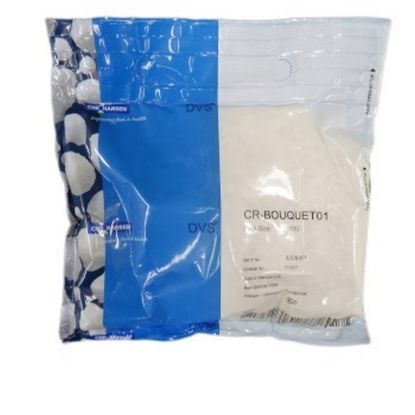
CR-BOUQUET 01 Frozen 500 u
A defined adjunct culture blend which enhances the overall flavor intensity of the cheese by accentuating important flavor notes.
It enhances the balanced, mellow, rounded and clean flavors and suppresses unwanted flavors like sour, bitter and flat.
The culture contains a nisin producing strain for promotion of bacteria lysis.
$63.79
| Quantity x 10 | Price per 10 |
|---|---|
| 1 + | $71.45 |
| 10 + | $63.79 |
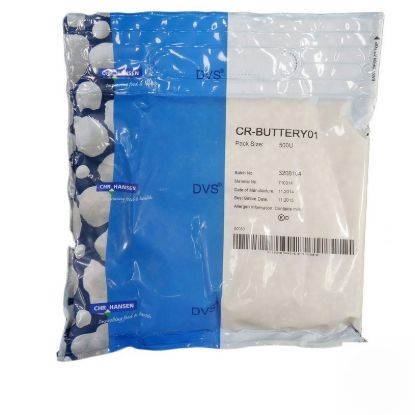
CR-BUTTERY 01 Frozen 500 u
A defined adjunct culture blend which enhances the overall flavor intensity of the cheese by accentuating important flavor notes.
It enhances the balanced, mellow, rounded and clean flavors and suppresses unwanted flavors like sour, bitter and flat.
The culture contains a nisin producing strain for promotion of bacteria lysis.
$63.79
| Quantity x 10 | Price per 10 |
|---|---|
| 1 + | $71.45 |
| 10 + | $63.79 |
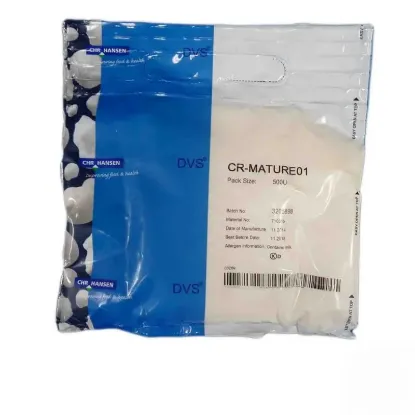
CR-MATURE 01 Frozen 500 u
A defined adjunct culture blend which enhances the overall flavor intensity of the cheese by accentuating important flavor notes.
It enhances the balanced, mellow, rounded and clean flavors and suppresses unwanted flavors like sour, bitter and flat.
The culture contains a nisin producing strain for promotion of bacteria lysis.
Some strains are facultative heterofermentative and may produce CO2 in specific conditions.
| Quantity | Price |
|---|---|
| 1 + | $71.45 |
| 10 + | $63.79 |
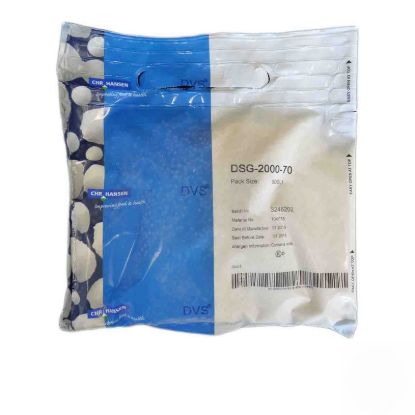
DSG-2000-70 Frozen 500 u
Mesophilic eXact culture, type L.
The culture produces diacetyl flavor and a medium level of CO2.
DSG 2000 cultures can be used in any cultured dairy product where a balanced acid and diacetyl flavor is desired.
These cultures are formulated to produce a shorter make time without compromising flavor.
| Quantity | Price |
|---|---|
| 1 + | $86.24 |
| 10 + | $77.00 |
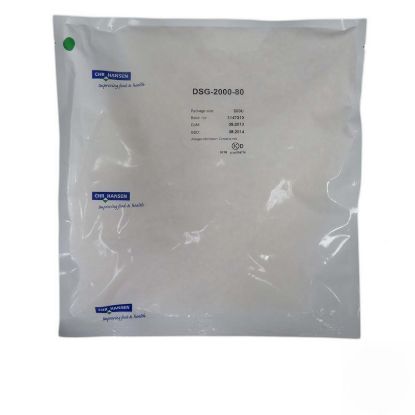
DSG-2000-80 Frozen 500 u
Mesophilic eXact culture, type L.
The culture produces diacetyl flavor and a medium level of CO2.
DSG 2000 cultures can be used in any cultured dairy product where a balanced acid and diacetyl flavor is desired.
These cultures are formulated to produce a shorter make time without compromising flavor.
DSG 2000 cultures are ideal for manufacturing the following products:
- Buttermilk
- Sour cream
| Quantity | Price |
|---|---|
| 1 + | $86.24 |
| 10 + | $77.00 |
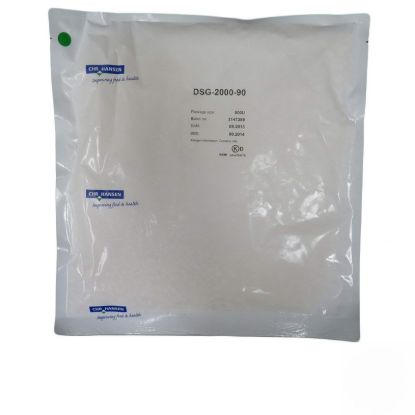
DSG-2000-90 Frozen 500 u
Mesophilic eXact culture, type L.
The culture produces diacetyl flavor and a medium level of CO2.
DSG 2000 cultures can be used in any cultured dairy product where a balanced acid and diacetyl flavor is desired.
These cultures are formulated to produce a shorter make time without compromising flavor.
DSG 2000 cultures are ideal for manufacturing the following products:
- Buttermilk
- Sour cream
| Quantity | Price |
|---|---|
| 1 + | $86.24 |
| 10 + | $77.00 |
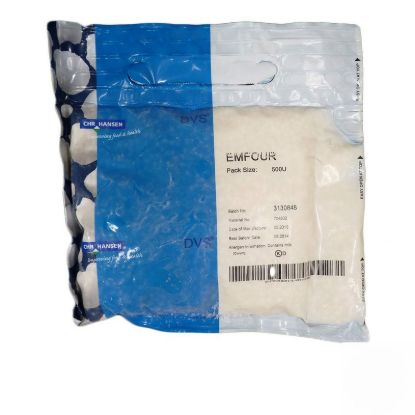
EMFOUR Frozen 500 u
Thermophilic homofermentative culture blend.
In 1984 it was selected by Dutch cheesemakers as the most effective thermophilic culture for accelerating ripening in Dutch cheeses.
The culture significantly enhances mature and nutty flavor notes, and there is a tendency towards sweet, sour and salt tastes, too.
The body of the cheese is also enhanced by the use of EMFOUR.
The culture can reduce the ripening time by several weeks depending on the type of cheese, storage temperature and desired flavor.
| Quantity | Price |
|---|---|
| 1 + | $84.54 |
| 10 + | $75.48 |