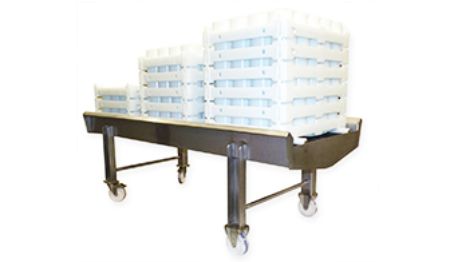


Fromagex Products
From cultures to packaging, including equipment, here is our range of products.

ChymO-PLUS coagulant 600 IMCU 250ml

CHY-MAX® M coagulant 5gal

CHY-MAX® M 1000 coagulant (1L)

CHY-MAX® Supreme 1000 NB coagulant (5gal)
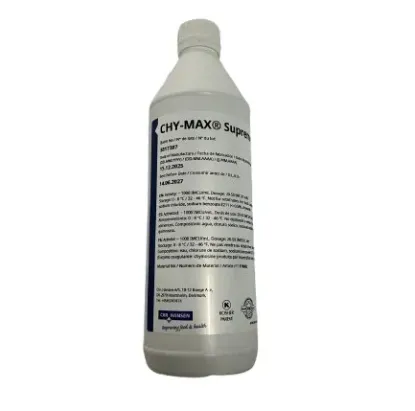
CHY-MAX® Supreme 1000 coagulant (1L)
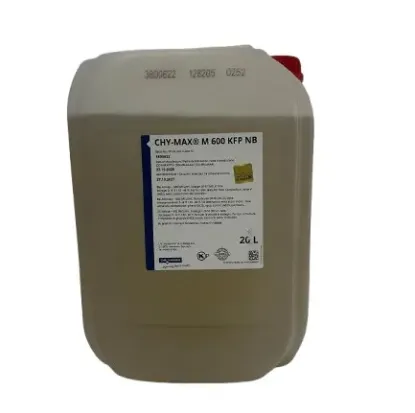
Coagulant CHY-MAX® M 600 KFP NB 20L
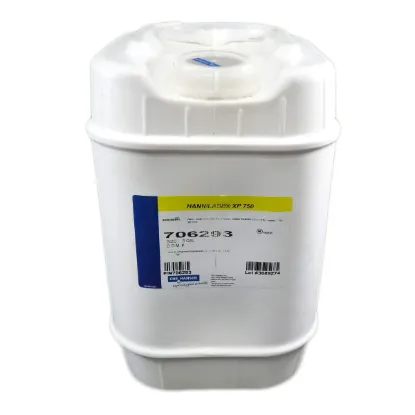
MICROLANT® Classic 750 coagulant (5gal)

Natural rennet NATUREN® Extra 220 Halal NB 5L
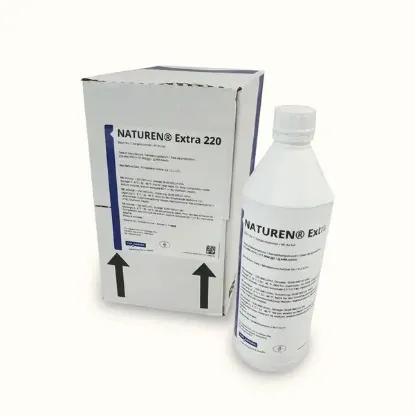

Natural rennet NATUREN® Extra 220 1L
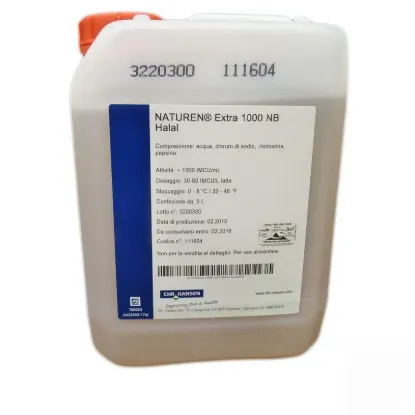
Natural rennet NATUREN® Extra 1000 NB Halal 5L
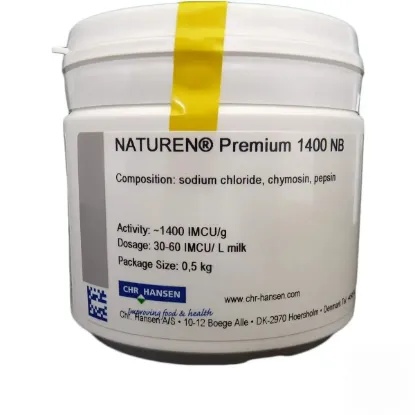
Natural rennet NATUREN® Premium 1400 NB 500g
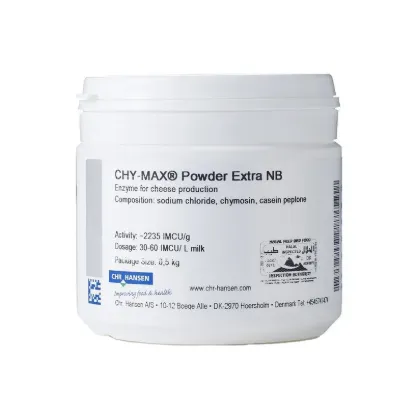
CHY-MAX® Powder Extra NB 500g
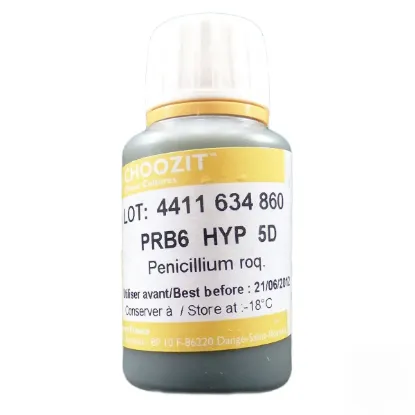
PRB 6 Liquid - Hyptonic 5 D
- The spores of PRB 6 HYP 5 D exhibit a blue-green colour.
- The enzymatic system of PRB 6 HYP 5 D has two lipases: an alkaline lipase (optimum pH 8.00) and an acid lipase (optimum pH 6.50). Strong production of methyl ketones. Ability to grow at low oxygen tension (5%). However, good oxygenation stimulates sporulation and colouring.
- PRB 6 HYP 5 D exhibits a response to NaCl (optimum 0 to 3%), pH (optimum pH 6.00, very insensitive between pH 4.00 and 7.00), and temperature (optimum 20-25°C, good growth at 8°C and inactive at 0°C).

PRB 18 Liquid - Hyptonic 5 D
Blue mould in liquid suspension form for cheese production.
Direct inoculation of cheese milk.
We do not accept any liability in case of undue application.
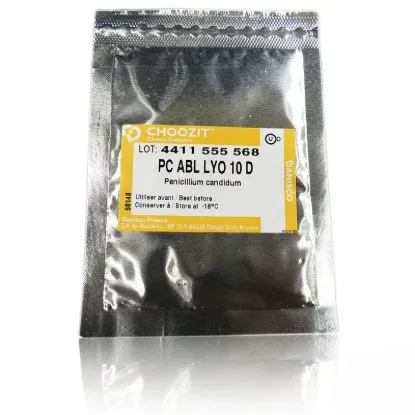
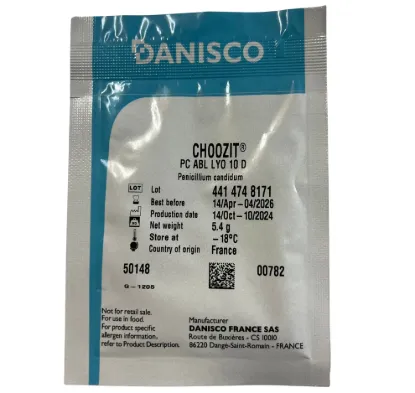
ABL Freeze-dried 10 D
- Low to medium density and height
- Rapid growth
- Low proteolytic activity, medium lipolytic activity
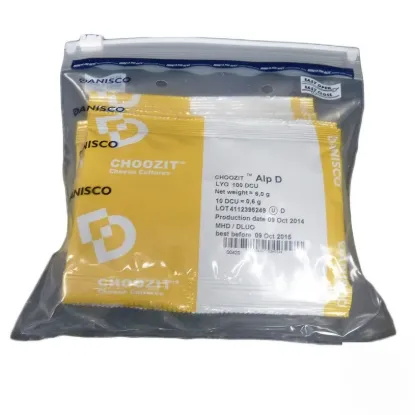
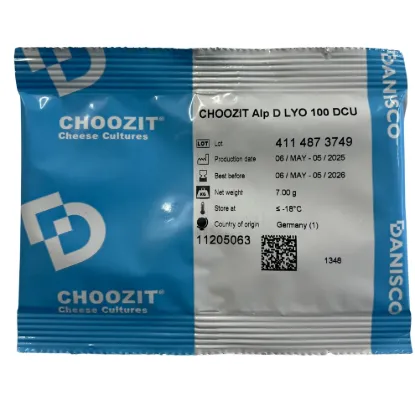
ALP D Freeze-dried 100 DCU
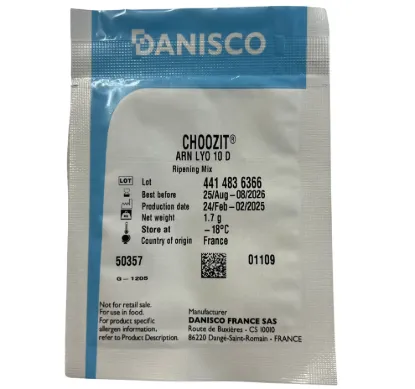
ARN Freeze-dried 10 D
- Aroma development and presentation of cheeses.
- ARN LYO 10 D produces the specific flavour of Normandy cheese and a balanced surface flora between Penicillium candidum and acid-sensitive bacteria.
- Two types of Brevibacterium aurantiacum are used in ARN LYO 10 D: the orange type and the ivory type.
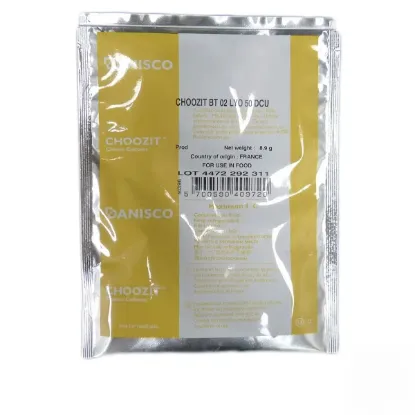
BT 02 Freeze-dried 50 DCU
Mesophilic culture offering a reliable acidification profile with optimal flavour development and gas production.
Eliminates the need to prepare a starter culture.
Phage rotation is available upon request.

DH Freeze-dried 10 D
- Rapid growth capability, preparing the substrate for acid-sensitive organisms and inhibiting the growth of undesirable fungal contaminants.
- Rapid neutralisation capability, aroma development and enzymatic activity.
- DH LYO 10 D is compatible with other desirable flora during cheese making.
- Carbohydrate metabolism: assimilation of sugars (strictly aerobic).
- Protein metabolism: caseolytic and aminopeptidasic activity, yielding peptides and amino acids.
- Lipid metabolism: degradation of triglycerides.
- Polyvalent culture: equally effective with natural and artificial casings.
- Development of a very short, thin, off-white coating with a traditional appearance.

FLAV 54 Freeze-dried 5 D
FLAV 54 LYO 5 D is a special adjunct for the Cheddar cheese production and its flavour enhancement, but also for other semi-hard cheese. A special adjunct which accelerates acidification and proteolysis, and which enhances strong and sweet flavour compounds.
FLAV 54 LYO 5 D strongly enhances the flavour release in Cheddar by way off a highly intense and sweet note, and accelerates proteolysis, reducing your ripening costs.
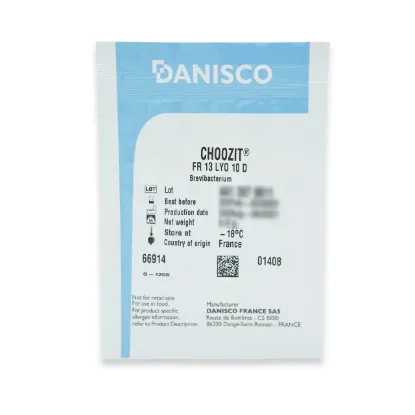

GEO 13 Freeze-dried 10 D

GEO 15 Freeze-dried 10 D
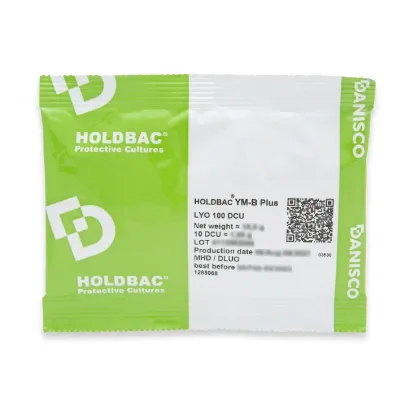
HOLDBAC YM-B Plus Freeze-dried 100 DCU
Protective culture with very slow and low acidification, forming lactic acid of the L(+) type, acetic acid and propionic acid. Furthermore, small amounts of other acids as well as diacetyle are formed. HOLDBAC® YM-B Plus LYO 100 DCU is added together with acidifying cultures and can improve the texture and/or flavour of fermented product.
HOLDBAC® YM-B Plus LYO 100 DCU has been shown to maintain product freshness throughout shelf-life and contribute to protect against some off-flavour development during storage and transportation. As can be proved, HOLDBAC® YM-B Plus LYO 100 DCU inhibits undesired microorganisms in a biological way, e.g. yeasts and moulds. The efficacy depends on strain and species and is influenced by the extent of the contamination.